
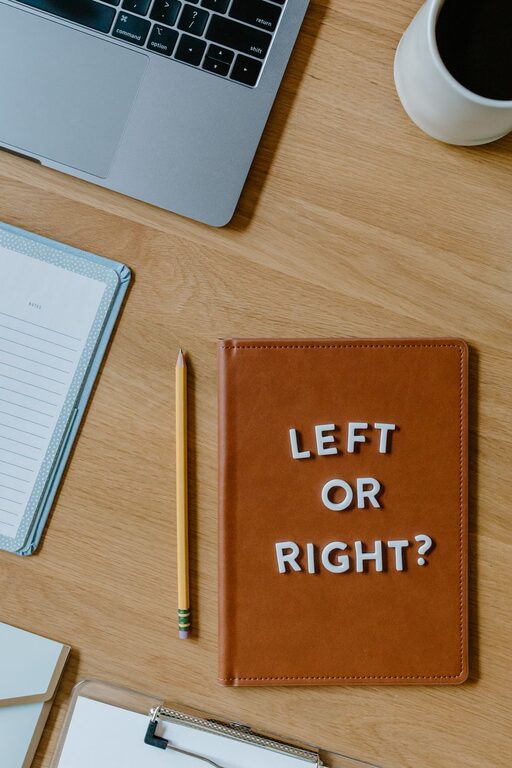
Choosing the right notebook can seem simple, but picking one that you’ll actually use consistently takes a bit of thought. Whether you want a journal, planner, or a place to jot down ideas, the perfect notebook can boost your creativity and productivity. This guide will help you make an informed decision by covering key factors to consider and offering useful tips.
Why Choosing the Right Notebook Matters
A notebook is more than just paper and a cover—it’s a tool to capture your thoughts, plan your day, or brainstorm ideas. When a notebook suits your needs and feels good to use, you’re more likely to keep coming back to it. On the other hand, a notebook that’s inconvenient or uninspiring often ends up unused.
Consider Your Purpose
Before you start browsing notebooks, think about how you plan to use it:
– Daily planning: Do you want a daily planner with dates and schedules?
– Creative writing or journaling: Are you looking for a space to reflect or write stories?
– Note-taking: Will you use it for school, work meetings, or research?
– Sketching or doodling: Do you prefer blank or dotted pages for drawing?
Knowing your primary purpose will help narrow down options and features.
Choose the Right Size
Notebooks come in many sizes, from pocket-sized to large sketchbooks. Here are some typical options:
– Pocket size (3.5” x 5.5” or smaller): Portable, easy to carry around, but limited writing space.
– A5 size (5.8” x 8.3”): A popular middle ground, portable but with enough space for notes.
– A4 or letter size (8.3” x 11.7” or 8.5” x 11”): More room, good for detailed work, but less portable.
Choose a size that fits your lifestyle. If you travel a lot, a smaller notebook might be better. For daily desk use, larger sizes offer more space.
Pick Your Preferred Paper Type
Paper quality and layout can affect your writing experience:
– Ruled lines: Great for writing and note-taking.
– Dotted grids: Popular for bullet journaling and flexible layouts.
– Blank pages: Ideal for sketching and freeform creativity.
– Squared or graph paper: Useful for technical drawings or math work.
Also, consider paper thickness (measured in GSM). Thicker paper prevents ink bleed-through, which is especially important if you use markers or fountain pens.
Binding and Cover Style
The notebook’s binding impacts how it opens and feels:
– Spiral bound: Lies flat when open and easy to flip pages, but spirals can get bent.
– Sewn binding: Durable and often lays flat, providing a premium feel.
– Glue binding (perfect bound): Notebook looks sleek but may not open flat easily.
Cover materials include:
– Hardcover: Protects your pages, great for carrying in bags.
– Softcover: Flexible and lightweight but less protective.
– Leather or faux leather: Stylish and durable, often more expensive.
– Cardboard or fabric: Eco-friendlier options.
Choose a binding and cover that match your use and style preferences.
Consider Additional Features
Some notebooks offer extras that might be useful:
– Bookmarks or ribbons: Easy to find your place.
– Elastic closures: Keep your notebook securely closed.
– Pockets: Store loose papers or cards.
– Numbered pages: Helpful for indexing your notes.
– Perforated pages: Tear out sheets cleanly when needed.
Think about what features will make your notebook more enjoyable to use.
Test Your Writing Tools
If possible, test how your favorite pens or pencils write on the paper before buying. Some paper types perform better with certain inks, and you’ll want to avoid smudging or bleeding.
Consider Your Budget
Notebooks range from inexpensive to luxury. Decide how much you want to spend, keeping in mind that a well-chosen notebook can last a long time and enhance your productivity.
Personalize Your Notebook Use
Once you’ve chosen a notebook, make it your own by:
– Adding tabs or sticky notes.
– Using color-coded pens or highlighters.
– Incorporating washi tape or stickers for fun and organization.
– Setting goals or prompts on the first pages.
Customizing your notebook can motivate you to keep writing and planning.
Final Thoughts
Choosing a notebook you’ll actually use isn’t about finding the most expensive or popular one. It’s about matching a notebook’s features to your unique style, needs, and preferences. By considering purpose, size, paper type, binding, and extras, you’ll find a notebook that invites you to write, draw, plan, and organize — every day.
Happy notebook hunting!