Composting at home is a rewarding and eco-friendly way to reduce waste and create nutrient-rich soil for your plants. If you are new to composting, it might seem a bit overwhelming at first, but with some simple guidelines, you can get started easily. This guide offers beginner tips to help you turn everyday kitchen scraps and yard waste into valuable compost.
What Is Composting?
Composting is the natural process of breaking down organic materials, like fruit peels, vegetable scraps, leaves, and grass clippings, into a rich soil amendment. This process involves microorganisms, such as bacteria and fungi, which decompose the waste, turning it into dark, crumbly compost that helps plants grow strong and healthy.
Benefits of Composting at Home
– Reduces household waste sent to landfills
– Saves money on fertilizers and soil conditioners
– Improves soil structure and fertility
– Conserves water by helping soil retain moisture
– Supports healthy plant growth
– Lowers your environmental footprint
Getting Started: Choosing a Compost Bin
Before you begin, decide how you want to compost. Here are common options:
Outdoor Bins
– Tumbler bins: Easy to turn and aerate, usually enclosed in a container that rotates.
– Stationary bins: Simple open or enclosed boxes you add material to over time.
– DIY piles: Just a designated spot in your yard to pile compost materials.
Indoor Composting
– Countertop bins: Small containers with lids for collecting scraps that can be added later to an outdoor bin.
– Worm composting (vermicomposting): Uses worms to break down food scraps in a bin, suitable for small spaces.
Choose a bin size and style that matches your available space and lifestyle.
What Can You Compost?
Greens (Nitrogen-rich materials)
– Fruit and vegetable scraps
– Coffee grounds and filters
– Tea bags (without staples)
– Fresh grass clippings
– Plant trimmings
Browns (Carbon-rich materials)
– Dry leaves
– Shredded paper or cardboard
– Straw or hay
– Sawdust (untreated wood)
– Pine needles
What to Avoid
– Meat, dairy, and oily foods (can attract pests)
– Diseased plants or weeds with seeds
– Pet waste
– Treated wood or synthetic materials
How to Compost: Step-by-Step Basics
- **Pick a spot:** Choose a well-drained area for your compost bin.
- **Start layering:** Alternate layers of greens and browns to balance moisture and air.
- **Maintain moisture:** Your compost should feel like a damp sponge, not soaking wet or bone dry.
- **Turn or aerate:** Mix or turn your compost every 1-2 weeks to add oxygen, which helps microbes work faster.
- **Monitor temperature:** Compost piles heat up as they decompose. Warm piles break down materials faster.
- **Wait and use:** Depending on conditions, compost can take a few months to a year to mature into rich soil.
Tips for Success
– Balance your ingredients: Aim for roughly 3 parts brown to 1 part green to keep compost healthy.
– Chop materials: Cut scraps into smaller pieces to speed decomposition.
– Avoid compacting: Loosely pile materials to allow air flow.
– Use a compost thermometer: Optional tool to check if your pile is heating up properly.
– Add water if dry: If the pile is dry, sprinkle water lightly to keep microbes active.
– Be patient: Composting is a natural process that takes time, but the results are worth it.
Troubleshooting Common Compost Problems
– Foul odor: Usually caused by lack of oxygen or too much moisture. Turn the pile and add more browns.
– Pile not heating up: Add more greens, turn the pile, and make sure it’s moist.
– Pests: Avoid adding meat, dairy, or oily foods. Use a bin with a lid if needed.
– Slow decomposition: Chop materials finely and turn pile more often.
Using Your Finished Compost
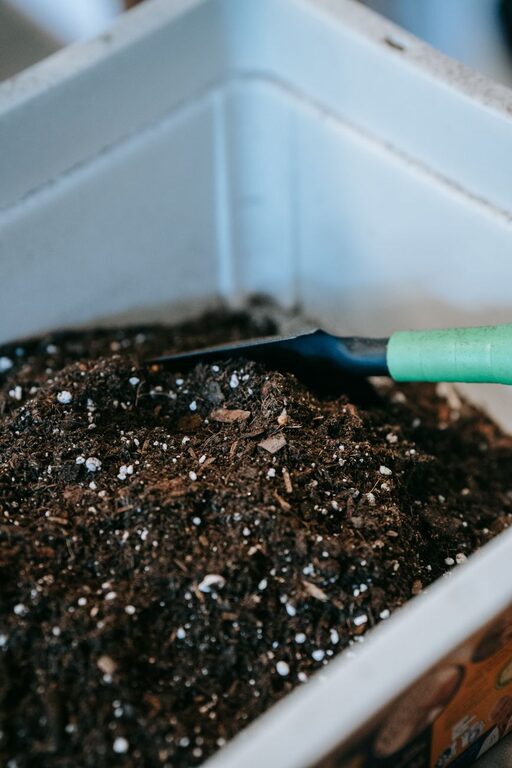
When your compost looks dark, crumbly, and smells earthy, it’s ready to use. Spread it in your garden beds, mix into potting soil, or use as mulch around plants to improve soil health and support plant growth.
Final Thoughts
Starting to compost at home is easier than it seems and has many benefits for the environment and your garden. By following these beginner tips, you can turn kitchen scraps and yard waste into valuable compost that nurtures your plants and reduces landfill waste. Happy composting!