Planning meals from pantry staples is a smart way to make cooking easier, save money, and reduce trips to the grocery store. Your pantry likely holds a variety of ingredients that can be combined in countless ways to create nutritious and satisfying dishes. With a little organization and creativity, you can turn these basics into meals your whole family will enjoy.
In this post, we’ll explore how to plan meals from pantry staples, including tips for stocking your pantry, meal ideas, and strategies for getting started.
Why Plan Meals from Pantry Staples?
Using pantry staples for meal planning offers several benefits:
– Convenience: Having ingredients on hand means you can whip up meals quickly without a last-minute store run.
– Cost savings: Buying staple items in bulk and planning around them helps reduce food costs.
– Less waste: Using what you already have prevents food from going bad.
– Flexibility: Pantry staples can be adapted to many cuisines and tastes, making meal planning versatile.
What Are Pantry Staples?
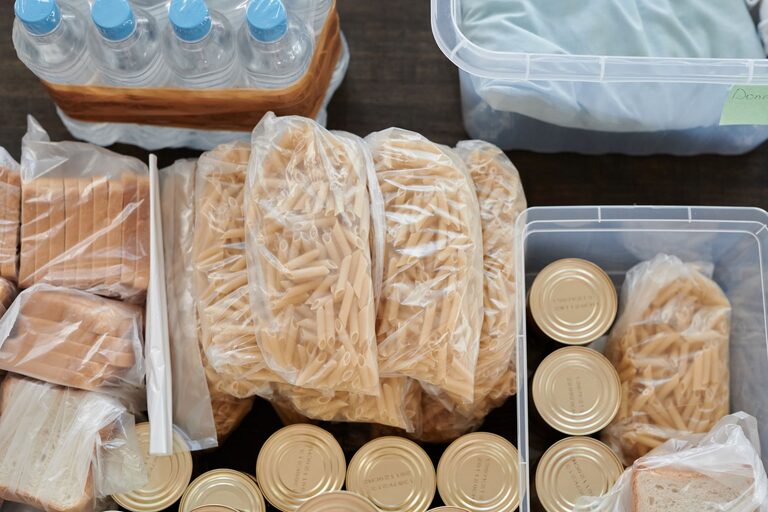
Pantry staples are non-perishable or long-lasting foods that serve as the foundation for many meals. A well-stocked pantry usually includes:
Dry Goods
– Rice, pasta, quinoa, and other grains
– Canned beans (black beans, chickpeas, kidney beans)
– Lentils and dried beans
– Flour and cornmeal
– Rolled oats and cereal grains
Canned and Jarred Goods
– Canned tomatoes and tomato paste
– Broth or stock (chicken, veggie, beef)
– Oils (olive, vegetable, coconut)
– Vinegars (white, apple cider, balsamic)
– Nut butters (peanut, almond)
Spices and Seasonings
– Salt and pepper
– Garlic powder, onion powder
– Dried herbs (oregano, basil, thyme)
– Curry powder, chili powder, paprika
– Soy sauce, hot sauce
Other Essentials
– Sugar, honey, or other sweeteners
– Baking powder and baking soda
– Coffee, tea
– Nuts and seeds
How to Organize Your Pantry for Easy Meal Planning
A tidy pantry makes it easier to see what you have and plan accordingly.
– Group similar items: Keep grains, canned goods, spices, and baking supplies in separate areas.
– Label containers: Use clear jars or labeled bins for easy identification.
– Keep a running inventory: Write down or use an app to track what’s available and when items expire.
– Store frequently used items at eye level for easy reach.
Steps to Plan Meals from Your Pantry Staples
Step 1: Take Inventory
Go through your pantry and note down what staples you have. Group them into categories such as grains, canned goods, and spices.
Step 2: Decide on Your Meals
Consider recipes that highlight your pantry ingredients. For example:
– Rice and beans-based dishes
– Pasta with tomato sauce and canned vegetables
– Lentil soups or stews
– Stir-fries using canned vegetables and sauces
– Baked goods using flour and oats
Step 3: Supplement with Fresh Ingredients
While pantry staples form the meal base, fresh or frozen produce, dairy, or proteins (like eggs or chicken) can round out your meals. Plan your grocery list with these in mind.
Step 4: Plan for Leftovers and Meal Prep
Make larger portions to have leftovers for lunch or another dinner. This saves time on busy days.
Pantry Staple Meal Ideas
Here are some simple meals you can plan around pantry staples:
1. Chickpea Curry
– Canned chickpeas
– Canned tomatoes
– Coconut milk (optional)
– Curry powder, garlic powder, salt
– Serve over rice or with bread
2. Pasta with Tomato Sauce and Beans
– Pasta
– Canned tomato sauce or diced tomatoes
– Canned beans for added protein
– Italian herbs and garlic powder
3. Lentil Soup
– Lentils
– Canned tomatoes
– Vegetable broth
– Onion and garlic powder, dried thyme
– Serve with crusty bread
4. Fried Rice
– Cooked rice (leftovers)
– Soy sauce
– Frozen or canned mixed vegetables
– Eggs (optional)
– Garlic powder and black pepper
5. Oatmeal with Nuts and Honey
– Rolled oats
– Nuts or seeds
– Honey or brown sugar
– Cinnamon (optional)
Tips for Successful Pantry Meal Planning
– Rotate staples regularly: Use older ingredients first to avoid spoilage.
– Experiment with spices: Changing spices can give the same base ingredients a new flavor.
– Use online resources: Many websites and apps let you enter pantry items to find recipes.
– Batch cook and freeze: Make meals in bulk and freeze portions for quick access later.
Conclusion
Planning meals from pantry staples is a practical and efficient way to manage your kitchen and mealtime. By keeping your pantry well-stocked, organized, and knowing how to combine ingredients, you can create delicious, budget-friendly meals any day of the week. Start with what you have, get creative with seasonings and spices, and enjoy the convenience that comes with a well-planned pantry.
Happy cooking!