
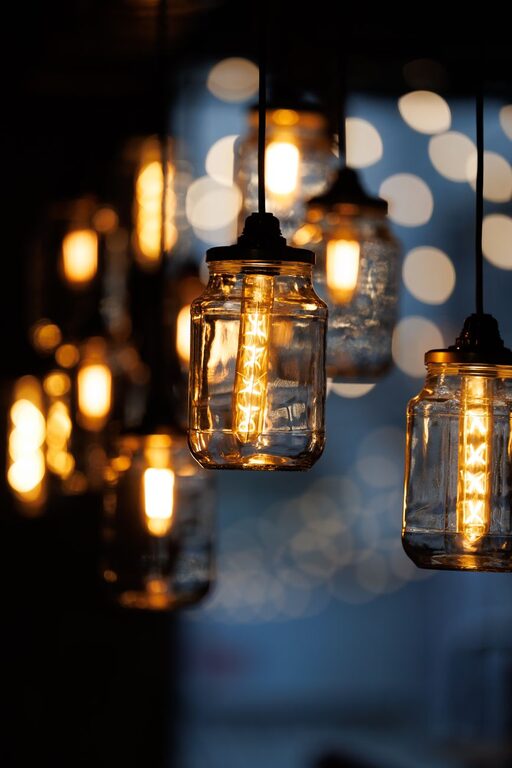
Creating a comfortable and inviting atmosphere in your home often starts with the right lighting. Choosing the perfect lighting can enhance the mood, improve functionality, and even affect how you feel throughout the day. Whether you’re updating a single room or planning a complete lighting makeover, understanding how to select comfortable home lighting is key. This guide offers practical tips to help you make informed decisions that balance style, comfort, and function.
Why Comfortable Lighting Matters
Lighting affects more than just visibility. It influences mood, productivity, and relaxation. Harsh or poorly placed lighting can cause eye strain, headaches, and discomfort, while well-thought-out lighting enhances your living space and well-being.
Consider the Purpose of Each Room
Different rooms serve different functions, so the lighting needs will vary.
Living Room
This is often a space for relaxation and entertaining guests. Aim for warm, soft lighting that creates a cozy atmosphere. Use dimmable fixtures to adjust brightness according to the time of day or activity.
Kitchen
In areas where you cook and prepare food, bright, focused lighting is important for safety and visibility. Task lighting, such as under-cabinet lights or adjustable spotlights, works well.
Bedroom
Comfort is key in the bedroom. Use soft, warm light to create a calming environment. Avoid overly bright or cool-toned lights that can disrupt your sleep cycle.
Home Office
For workspaces, bright but non-glaring light helps reduce eye strain and keeps you alert. Natural light combined with adjustable desk lamps is ideal.
Choose the Right Light Bulbs
The type of bulb you choose impacts comfort and energy use.
– Warm vs. Cool Light: Warm light (2700K-3000K) gives a soft yellow glow that’s relaxing, while cool light (3500K-5000K) appears brighter and more energizing. For comfort, warm light is generally recommended for living spaces.
– LED Bulbs: They are energy-efficient, long-lasting, and available in various color temperatures. Look for LED bulbs labeled “warm white” for comfort.
– Brightness: The brightness of bulbs is measured in lumens. Instead of wattage, check lumens to get the desired light strength. For most rooms, 800-1600 lumens per fixture is a good range.
Layer Your Lighting
Layering different types of lighting improves comfort and flexibility.
Ambient Lighting
This is the general lighting that provides overall illumination. Examples include ceiling lights and floor lamps.
Task Lighting
Focused lighting for specific activities such as reading or cooking. Desk lamps, pendant lights over kitchen countertops, or reading lights are common examples.
Accent Lighting
Used to highlight architectural features, artwork, or decor. It adds depth and interest to your space and can create a warmer ambiance.
Combining these layers allows you to adjust the lighting mood and functionality easily.
Mind the Position and Glare
Where you place your lights matters for comfort.
– Avoid placing lights where they shine directly into your eyes.
– Use lampshades, diffusers, or frosted bulbs to soften harsh light.
– Position task lights close to the activity but out of line of sight.
– Consider lights with adjustable angles or dimmers for more control.
Use Smart Lighting for Convenience and Comfort
Smart lighting systems can adjust brightness and color temperature automatically, responding to time of day or your preferences. This makes it easier to maintain comfortable lighting without manual adjustments throughout the day.
Pay Attention to Color Rendering
Color Rendering Index (CRI) measures a light source’s ability to show colors accurately. A CRI of 80 or higher is good for comfortable, natural-looking lighting, especially in kitchens, living rooms, and bathrooms.
Energy Efficiency and Sustainability
Comfortable lighting doesn’t have to come at the cost of higher energy bills or environmental impact.
– LED bulbs consume less energy and generate less heat.
– Using dimmers can reduce energy use.
– Consider timers or motion sensors to avoid unnecessary lighting.
Final Tips for Comfortable Home Lighting
– Test lighting options before committing. Many stores offer bulbs and lamps you can try at home.
– Avoid mixing very different color temperatures in the same room.
– Use curtains or blinds to control natural light and reduce glare.
– Reflective surfaces like mirrors can help spread light evenly.
Conclusion
Choosing comfortable home lighting is about balancing aesthetics, function, and well-being. By understanding the roles of different lighting types, selecting the right bulbs, and layering your lighting thoughtfully, you can create a home environment that feels welcoming and easy on the eyes. Keep these tips in mind as you plan your lighting, and enjoy the cozy atmosphere you create.